Picture yourself casting off from your own dock, skimming across Sarasota Bay, and tying up for lunch downtown in minutes. If boating sits at the center of your lifestyle, choosing the right neighborhood matters as much as choosing the right house. In this overview, you’ll compare Bird Key, Longboat Key, Siesta Key, and the Downtown Sarasota marina district through a boater’s lens. You’ll learn how each area handles dock access, services, and Gulf runs, plus a practical checklist to use before tours. Let’s dive in.
How Sarasota’s top boating communities compare
Bird Key: private docks, downtown access
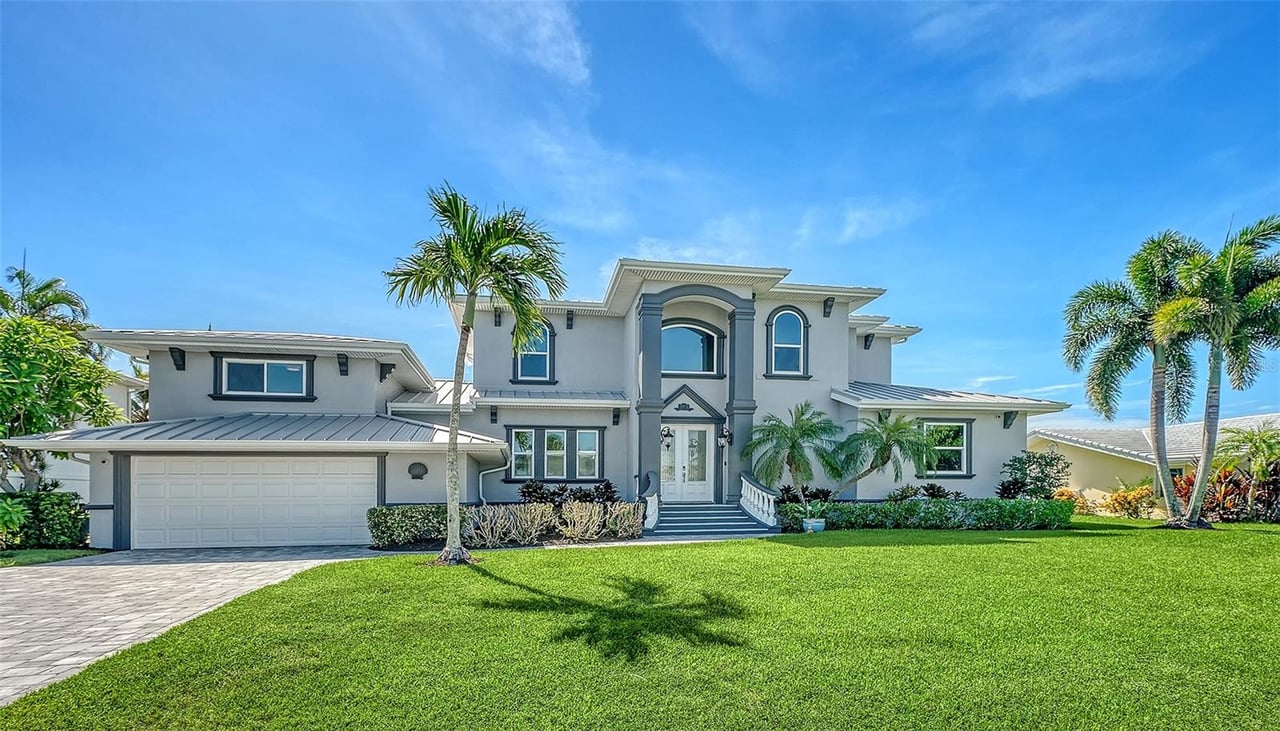
Bird Key offers a quiet, residential island feel with high-end homes and a strong prevalence of private docks. Many properties sit on protected basins or Sarasota Bay frontage, which gives you sheltered transits and quick runs to downtown. If you want your boat behind the house and easy access to restaurants and services, Bird Key is a compelling fit. You get a blend of privacy, convenience, and short passages to Gulf inlets via bay channels.
Longboat Key: marinas and big-water access
Longboat Key stretches north of Sarasota with luxury estates, gated enclaves, and a resort-forward atmosphere. Waterfront homes often have private docks, and the island also offers marina slip options. Certain areas provide direct Gulf and deep-water access that can suit larger yachts, though local channel depth and exact location matter. You trade a bit of downtown immediacy for a low-density, private feel with strong boating infrastructure in select spots.
Siesta Key: beach lifestyle with trade-offs
Siesta Key delivers lively beach life and a vibrant village scene. For boating, you’ll find a mix of shallow residential canals, small commercial marinas, and some mooring or anchorage use. Private deepwater docks are less common, and bridges or shoaling can limit vessel size and draft in certain neighborhoods. If you prize beach energy first and run a smaller boat, Siesta can work well. Very large yachts may find access and service options more limited.
Downtown marina district: services and walkability
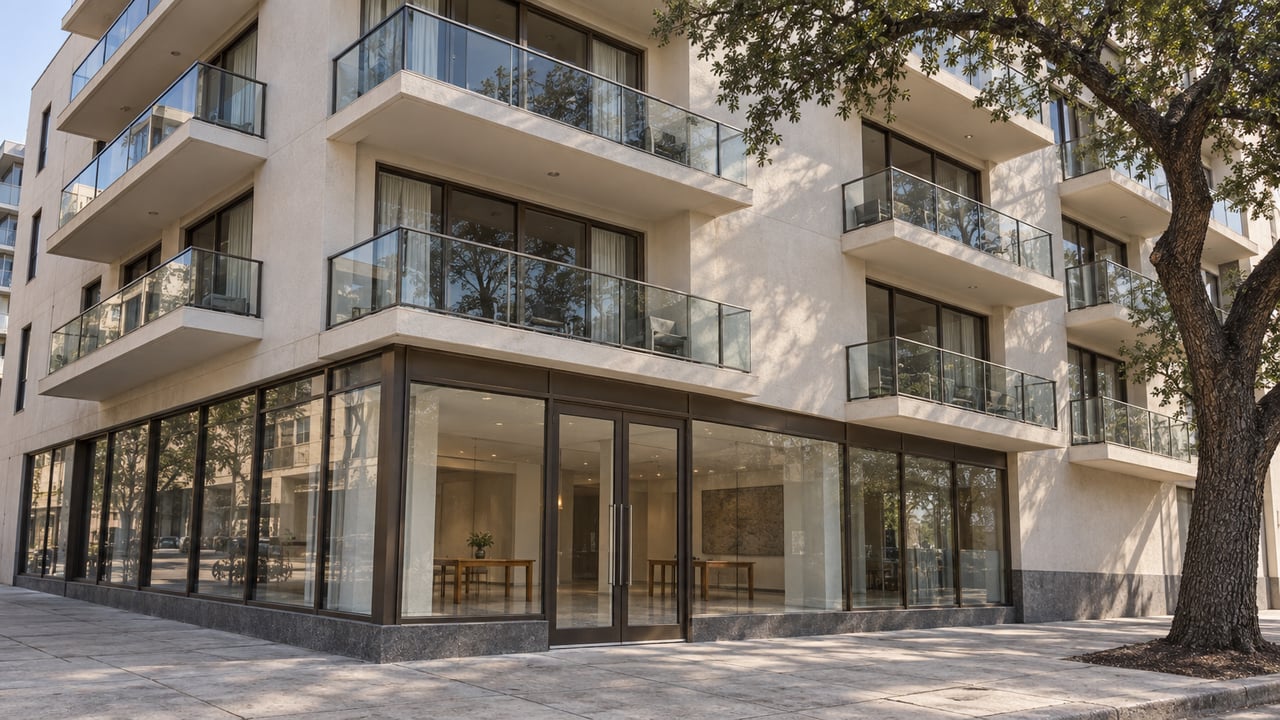
If you prefer professional marina support and a social boating scene, downtown is hard to beat. The area offers full-service marinas with slip leasing or ownership, fuel, maintenance, and concierge-style care. You are steps from dining, culture, and shopping, with excellent bay access and straightforward runs to Gulf passes depending on your marina. At the heart of it is Marina Jack, and nearby clubs such as the Sarasota Yacht Club anchor an active boating community.
Docking options and services to expect
- Private residential docks: Most common on Bird Key and parts of Longboat Key. You control your schedule, utilities, and boat care at home.
- Condo or HOA docks: Shared slips with association rules. Transferability varies by community, so verify details early.
- Full-service marinas: Concentrated downtown and at select Longboat Key facilities. Expect fuel, mechanics, haul-outs, and provisioning.
- Small commercial marinas: Often support shorter-term needs and smaller vessels. Availability for larger yachts can be tight.
- Mooring fields and anchorages: Managed by local authorities in certain areas. These can be practical where shore-side docks are limited.
Affluent boaters often look for 24/7 security, full mechanical services, travel lifts, fuel docks, slip specs that match their LOA and beam, and concierge support. Confirm service capacity and lift limits if you own a larger vessel.
Operational realities that affect your boating
- Water depth at mean low water: Confirm actual depth at the slip and the transit route. Draft-sensitive vessels must verify at low tide.
- Seawall integrity: On private docks, seawalls and pilings are costly to repair or replace. Request age, repair history, and any recent permits.
- Tidal range and shoaling: Some channels require periodic dredging. Ask about recent dredging reports and maintenance responsibility.
- Bridge clearances: If your route includes a fixed bridge, confirm clearance and any opening schedules that could affect timing.
- HOA and marina rules: Size caps, liveaboard rules, and transfer policies vary widely. Review governing documents in advance.
- Slip availability and waitlists: Popular marinas often have waitlists, especially for larger slips. Start inquiries early.
- Maintenance and cost profile: Budget for dock utilities, insurance, slip fees, and potential special assessments for dredging or repairs.
Regulations, safety and the environment
Waterfront improvements and boating in Sarasota involve multiple agencies and rules. For permits on docks or seawalls, start with the City of Sarasota or Sarasota County depending on location. State-level coastal work often involves the Florida Department of Environmental Protection, while the U.S. Army Corps of Engineers may authorize work in navigable waters.
Sarasota Bay includes manatee protection areas and speed-limited zones that influence route planning. You can review guidance from the Florida Fish and Wildlife Conservation Commission and plan passages with NOAA charts and tide data. Expect local shoaling in some passes and channels. During hurricane season, confirm your marina’s haul-out capacity and storm protocols or develop a clear plan for lines, fenders, and evacuation steps at private docks.
Bird Key vs. Longboat Key vs. Siesta Key vs. Downtown
- Choose Bird Key if you want a private-dock lifestyle with quick downtown access and protected bay transits.
- Choose Longboat Key if you want a low-density feel with a mix of private docks and marinas, plus deep-water access in select locations.
- Choose Siesta Key if beach life is your top priority and your boat size fits local canal depths and bridge limits.
- Choose Downtown if you prefer professional marina services, walkability, and a social boating scene.
No single area is best for everyone. The right choice depends on vessel size, preferred services, and how you plan to use your boat week to week.
Buyer due diligence checklist
Use this list before tours and during early conversations:
Dock and slip specifics
- Confirm deeded, leased, or HOA-controlled status and whether a slip transfers with the property.
- Get exact slip dimensions: length, beam, and depth at mean low water. Request recent depth surveys if available.
- Ask age and condition of seawalls, pilings, and caps. Note any repairs or active permits.
- Verify maximum vessel size allowed by the deed, HOA, or marina rules.
- Confirm utilities at the dock: shore power specs, water, pump-out, and Wi‑Fi.
- Clarify slip or berth fees, HOA assessments, and special assessments.
- Ask about shoaling, dredging responsibilities, and channel maintenance schedules.
Regulatory and insurance items
- Request copies of dock and seawall permits. Confirm compliance with local and state rules.
- Obtain quotes for property, hull, and liability insurance. Review hurricane coverage and any marina liability policies.
- Note manatee protection or no-wake zones that could affect typical routes.
On-site inspection priorities
- Hire a marine surveyor or dock engineer to inspect structural and electrical elements.
- For larger yachts, perform a daylight low-tide route check with a local captain.
- Visit marinas at different times and tides to assess congestion, noise, and security.
Lifestyle and service checks
- Map fuel docks, haul-out capacity, chandlery options, and service hours near the property.
- Confirm winter storage or long-term maintenance plans as needed.
- Ask about concierge or management services if you want turnkey care.
- Explore yacht clubs and local regattas to gauge the social boating scene.
Next steps: tour properties and marinas with a plan
When a property interests you, pair the showing with a marina and route review. Bring your vessel specs, including LOA, beam, draft, and air draft. Request marina rules, recent depth surveys, and HOA documents in advance. If needed, your agent can call marinas to verify slip availability, transfer policies, and waitlists before you write an offer.
Whether you are leaning toward a Bird Key private dock, a Longboat Key estate with deeper water, a Siesta Key beach base, or a downtown slip with full service, the right fit is out there. A focused plan will save you time and reduce risk so you can enjoy the water sooner.
If you want a curated shortlist and a coordinated property-plus-marina tour, connect with Monica Verinder to schedule your private consultation.
FAQs
What makes Bird Key a top choice for Sarasota boaters?
- Bird Key concentrates private docks on a quiet island near downtown, with protected bay transits and short runs to Gulf passes.
How does Longboat Key suit larger yachts?
- Some Longboat Key locations offer deeper water and direct Gulf access, plus marina options, though exact depth and access vary by property.
Is Siesta Key practical for big boats?
- Many Siesta canals are shallow or limited by low bridges, so very large vessels may face constraints compared with Bird Key or Longboat Key.
Where can I get full-service marina support downtown?
- The downtown district features professional marinas, including Marina Jack, with fuel, maintenance, and concierge services.
Do I need permits to repair a seawall or modify a dock in Sarasota?
- Yes. Start with the City of Sarasota or Sarasota County, and expect involvement from the Florida DEP and sometimes the U.S. Army Corps of Engineers.
How do manatee zones and speed limits affect my routes?
- Manatee protection and no-wake areas can slow transits in parts of Sarasota Bay. Check maps and guidance from the Florida Fish and Wildlife Conservation Commission and plan with NOAA tide and chart data.