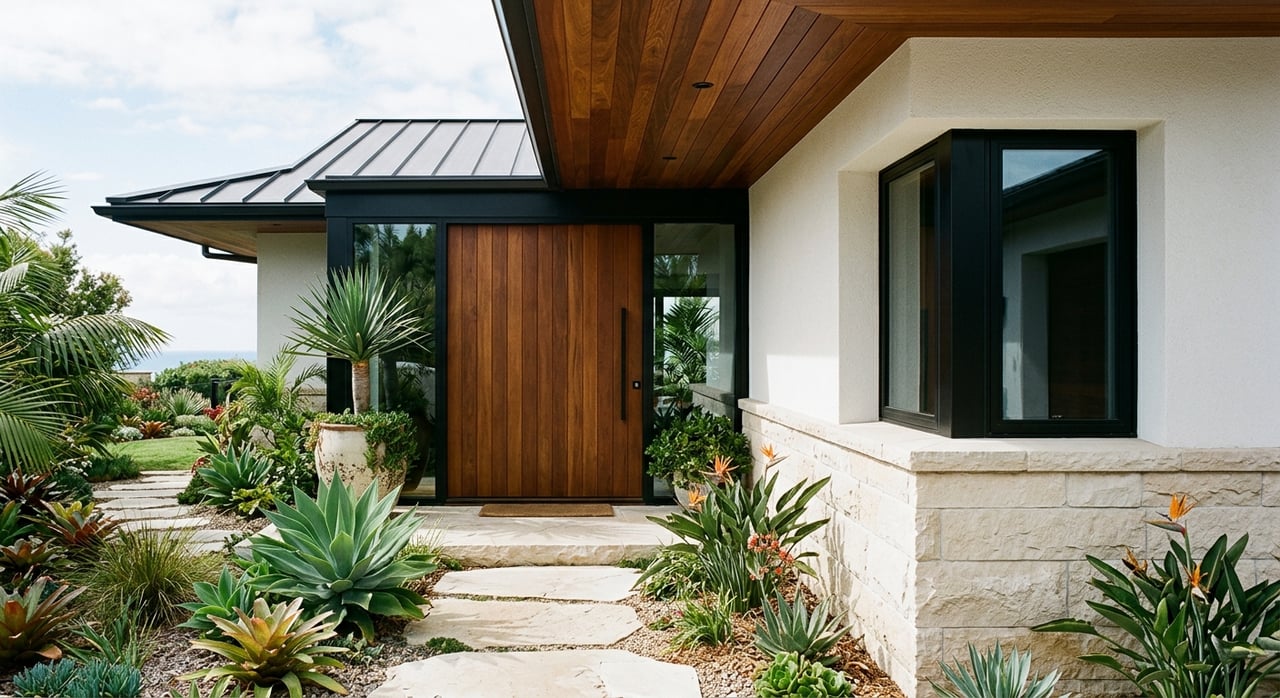
Buying new construction in Lakewood Ranch can feel simple at first. You tour a polished model, pick a floor plan you love, and imagine an easy path to move-in day. But the real decision is often bigger than the home itself. You also need to weigh villages, fees, timelines, upgrades, and contract terms. This guide will help you understand what to expect so you can make a smart, confident move in Lakewood Ranch. Let’s dive in.
Why Lakewood Ranch feels different
Lakewood Ranch is not just one neighborhood. It is a master-planned community of more than 35,000 acres with 36 villages, multiple town centers, and more than 150 miles of trails. That scale gives you a wide range of housing choices, amenities, and lifestyle options.
For you as a buyer, that means the first decision is often not the builder or the floor plan. It is choosing the right part of the community for how you want to live. In many cases, your day-to-day experience will be shaped as much by the village as by the home itself.
Start with the village, not the model
It is easy to fall in love with a model home. The finishes are polished, the design is thoughtful, and the space is staged to feel effortless. Still, in Lakewood Ranch, your village choice should come first because fees, amenities, and tax details can vary.
Lakewood Ranch notes that villages south of University Parkway are generally in Sarasota County, while villages north of University Parkway are generally in Manatee County. The community also recommends checking county property appraiser records because taxes can differ by village. That is an important step if you want a clear picture of your long-term cost.
What can vary by village
- Home type, from townhomes and villas to custom homes
- Amenity access
- HOA fee structure
- County tax location
- Builder options
- Overall pace and feel of the area
The village directory shows choices across communities such as Star Farms, Waterside, Azario, Calusa, and Windward. Some buyers want low-maintenance living. Others want a larger homesite, a golf-oriented setting, or a more custom home experience. Narrowing the village first makes the rest of the process much easier.
Understand the full cost, not just base price
One of the biggest mistakes buyers make with new construction is focusing too much on the advertised starting price. In Lakewood Ranch, the total cost of ownership can look very different once you add the homesite, design selections, recurring fees, and taxes.
Lakewood Ranch says HOA fees typically range from $100 to $800 per month, with most falling between $200 and $300. Those fees often cover amenities, common-area maintenance, and in some villages some lawn care or irrigation. On top of that, the community uses a Stewardship District fee that helps fund roads, parks, trails, drainage, and conservation areas, and those assessments are collected on county property tax bills.
Costs to review before you sign
- Base home price
- Lot premium
- Structural options
- Design-center upgrades
- HOA dues
- Stewardship District assessments
- Property taxes
- Temporary housing or storage if timing shifts
Thinking this way helps you compare homes more accurately. A lower base price does not always mean a lower overall monthly or total cost.
What lot premiums really mean
A lot premium is the extra cost for a more desirable homesite. That could mean a better view, more privacy, extra space, a corner location, or another attractive site feature. The same floor plan can cost more on one lot than another because the land value is different.
This matters in Lakewood Ranch because certain floor plans may only fit on certain homesites. In some cases, HOA requirements or lot dimensions also limit which plans can be built where. If you are comparing prices, make sure you are comparing the same floor plan on similar lots.
Be careful with model-home expectations
Model homes are helpful, but they can also create confusion. Many are filled with premium finishes and custom details that are not included in the standard price. What you see during a tour may be far above the builder’s base package.
That does not mean the model is misleading on purpose. It just means you need a detailed breakdown of what is standard, what is optional, and what is shown only for display. Asking for that list early can help you avoid budget surprises later.
Know your builder options
Lakewood Ranch’s builder directory includes a broad mix of companies, from production builders to custom and luxury names. The list includes Anchor Builders, AR Homes, D.R. Horton, David Weekley, Del Webb, Dream Finders, Homes by Towne, Homes by WestBay, John Cannon, Kolter, Lennar, M/I Homes, Neal Communities, Neal Signature, Perry Homes, Ryan Homes, Stock, Taylor Morrison, and Toll Brothers.
That variety is a major advantage, but it also means you need to compare more than floor plans. Builder process, included features, warranty terms, timeline expectations, and incentive structures can differ. A builder that fits your priorities in one village may not be the best fit in another.
Expect a different contract process
Buying a new-construction home is not the same as buying a resale home. Builder contracts often use different deposit schedules, completion timelines, and warranty terms. That is why it helps to go into the process with clear expectations.
A standard path usually starts with your budget and mortgage preapproval, then location choice, agent selection, builder shopping, and a decision between a move-in-ready home and one built from the ground up. From there, you move into contract, selections, inspections, walk-through, and closing.
A typical new-construction path
- Set your budget and monthly comfort range
- Get mortgage preapproval if financing
- Compare villages and builders
- Decide between quick move-in and build-from-scratch
- Review the builder contract carefully
- Finalize homesite and major options
- Make design-center selections
- Track construction progress
- Complete inspections and walk-through
- Close and move in
Because the contract is builder-specific, details matter. You want to understand deposits, deadlines, change-order limits, and what happens if timing shifts.
Quick move-in vs. build-from-scratch
If timing matters, this is one of the first choices to make. Quick move-in homes are often available within about three months. Build-from-scratch homes average about 6.5 months, and some new-home timelines average closer to eight months. Fully custom builds can take much longer.
If you are selling another home, relocating for work, or trying to line up a seasonal move, this timing difference matters. Delays can happen, so it is wise to plan for overlap, storage, or temporary housing if needed.
Make selections early and carefully
Design-center decisions usually happen early in the process. Many choices cannot be changed once construction begins because materials are ordered in advance. Typical selections include flooring, cabinets, countertops, appliances, fixtures, paint, hardware, and some structural items.
That is why it helps to decide what matters most before your appointment. If your priorities are natural light, kitchen function, and easy maintenance, keep those at the center of each choice. It is easy to overspend when every upgrade looks appealing in the moment.
New construction still needs inspections
A new home is still a major construction project, and independent inspections can be valuable. Industry guidance often recommends phase inspections at key points such as foundation, pre-drywall, and final punch-out. A final walk-through with a punch list is also important before closing.
In Manatee County, the building inspections division handles permit-required inspections, and a certificate of occupancy requires final inspections to pass, any holds to be released, and fees to be paid. Those municipal inspections are important, but many buyers still choose their own inspector for added peace of mind and a more buyer-focused review.
Learn how builder warranties work
Many newly built homes come with a builder warranty, but that is not the same thing as a home warranty or service contract. Coverage patterns often include one year for workmanship and materials, two years for systems like HVAC, plumbing, and electrical, and in some cases up to 10 years for major structural defects.
Before you close, ask for the warranty documents and review how claims are handled. You want to know what is covered, what is excluded, and what steps you need to follow if an issue comes up after move-in.
Why buyer representation matters
When you walk into a builder’s sales office, the on-site salesperson represents the builder. That does not mean the experience has to be adversarial. It simply means you should understand who is advocating for your interests.
An independent buyer’s agent can help you compare villages, review builder paperwork and addenda, track incentives, coordinate inspections, and keep communication organized through a long build timeline. In a community as large and varied as Lakewood Ranch, that kind of guidance can make the process more efficient and much less stressful.
New construction vs. resale in Lakewood Ranch
New construction gives you newer systems, a more current layout, and the chance to personalize finishes. It can also reduce early maintenance concerns compared with an older home. For many buyers, that convenience is a major benefit.
Resale homes offer different strengths. You can usually move in faster, and you can evaluate the property in its lived-in condition rather than relying on plans, samples, and estimated completion dates. The right choice depends on your timing, budget, and how much customization you want.
Smart questions to ask before you buy
A few focused questions can save you time and money.
Questions worth asking
- What is included in the base price?
- Which model-home features are upgrades?
- Is there a lot premium for this homesite?
- Which fees are paid monthly, and which are billed with taxes?
- What amenities are included in this village?
- What is the current build timeline?
- When are design selections due?
- What changes are allowed after contract?
- What inspections can I schedule?
- How does the builder warranty work?
Clarity up front tends to lead to a smoother experience later.
If you are weighing new construction in Lakewood Ranch, the best first step is to match the home, village, and builder to your lifestyle and financial comfort, not just the model that catches your eye. With the right planning, you can avoid common surprises and buy with more confidence. If you want a polished, high-touch approach to comparing Lakewood Ranch options, Monica Verinder can help you navigate the process with local insight and concierge-level guidance.
FAQs
What should you budget for when buying new construction in Lakewood Ranch?
- You should review the base price, lot premium, upgrades, HOA dues, Stewardship District assessments, property taxes, and any temporary housing or storage costs if your move-in date changes.
How long does a new-construction home take in Lakewood Ranch?
- Quick move-in homes are often ready within about three months, while build-from-scratch homes often take about 6.5 to 8 months, depending on the builder and home type.
Do you still need an inspection on a new-construction home in Lakewood Ranch?
- Yes. Many buyers schedule independent inspections during construction and before closing, even though the home also goes through required permit and final inspections.
Are Lakewood Ranch HOA fees the same in every village?
- No. Lakewood Ranch says HOA fees vary by village and usually range from $100 to $800 per month, with most between $200 and $300.
What is a lot premium in Lakewood Ranch new construction?
- A lot premium is an extra charge for a more desirable homesite, such as one with better privacy, location, space, or views.
Should you use your own agent when buying from a builder in Lakewood Ranch?
- Many buyers do because the builder’s on-site salesperson represents the builder, while your own agent can help you compare options, review terms, coordinate inspections, and keep the process organized.